¿Cómo afectan las redes sociales a la salud mental de los jóvenes?

Instagram | 22 de mayo de 2024
Probablemente, la mayoría de la gente hoy en día esté de acuerdo en que las redes sociales se han convertido en una parte fundamental de la vida cotidiana. No solo nos conectan con amigos, familiares y personas de todo el mundo, sino que además son muy divertidas. Dicho esto, estar activo en las redes sociales no es todo un camino de rosas. Si pasas una cantidad excesiva de tiempo pegado a la pantalla, esto podría tener efectos negativos en tu salud mental. Pero, ¿cómo afectan realmente las redes sociales a la salud mental?
Aunque las redes sociales tienen sus ventajas y beneficios, también tienen un lado oscuro. Algunas personas —sobre todo los usuarios más jóvenes— pueden desarrollar una relación peligrosa con ellas. En lugar de utilizarlas para relacionarse con los demás y divertirse, Internet puede volverse en su contra y provocarles ansiedad. La situación puede empeorar y afectar a largo plazo a la salud mental de estos usuarios jóvenes y sensibles.
Dicho esto, la respuesta a la pregunta de si las redes sociales son buenas o malas es bastante matizada. Sin duda, tienen sus aspectos positivos y negativos. Hoy analizaremos más a fondo cómo pueden afectar las redes sociales a la salud mental de una persona. Sigue leyendo para saber más sobre este tema tan extendido.
Estadísticas sobre redes sociales y salud mental que podrían hacer saltar las alarmas
Las redes sociales y el bienestar mental siempre han estado entrelazados de una forma compleja y llena de matices. Y créenos: podríamos hablar sin parar de los posibles efectos negativos de las redes sociales sobre el bienestar mental. Pero todo eso sería arbitrario y totalmente inútil sin las cifras. Así que déjanos ponerte al día sobre este tema con algunas estadísticas recientes y sorprendentes sobre las redes sociales y la salud mental.
- Según la Universidad de Maine, casi el 60 % de la población mundial utiliza las redes sociales. Eso supone 4.8 mil millones de personas conectadas a Internet. Y por si fuera poco, esa cifra aumenta cada año. ¡Entre 2022 y 2023, el número total de usuarios de redes sociales creció un 3,2 %!
- A medida que aumenta el número de usuarios de redes sociales, también lo hace el número de adolescentes con teléfonos inteligentes. El Child Mind Institute señala que alrededor del 92 % de los adolescentes y jóvenes tienen un teléfono inteligente.
- Curiosamente, junto con el aumento del número de personas que poseen un teléfono móvil, parece que también se está produciendo un aumento de los casos de depresión. Según la Asociación Americana de Psiquiatría (APA), los síntomas depresivos en los adultos jóvenes aumentaron un 63 % entre 2009 y 2017.
- Según Statista, el 35 % de los adultos considera que las redes sociales son responsables del deterioro del bienestar emocional de los jóvenes. Por su parte, solo el 2 % cree que no tienen nada que ver con este deterioro del bienestar mental.
- En otra encuesta de Statista se preguntó a adolescentes y jóvenes qué redes sociales consideraban que influían en su salud mental. YouTube resultó ser la plataforma con el efecto más positivo para ellos. Lamentablemente, fue Instagram , según ellos, tenía el impacto más negativo en su bienestar mental.

¿Cómo afectan las redes sociales a la salud mental de los adolescentes?
Las redes sociales pueden afectar a la vida y al bienestar emocional de cualquiera. Pero son nuestros jóvenes los más vulnerables a los efectos negativos de Internet. Por qué y cómo afectan las redes sociales a la salud mental de los adolescentes?
Aunque los adolescentes ya no son niños, sus cerebros y sus cuerpos aún se encuentran en fase de desarrollo. Están descubriendo y aprendiendo más sobre su identidad y sus necesidades emocionales. Eso significa que son increíblemente sensibles y necesitan velar siempre por su bienestar mental.
En esta etapa de sus vidas, las redes sociales han ejercido una influencia significativa en ellos. Ver cómo se muestran los demás en Internet puede hacer que se sientan más cohibidos. Es posible que vean las vidas inalcanzables de sus compañeros o de los influencers y sientan la presión de ajustarse a lo que está «de moda». ¿Se están mostrando de la forma «correcta»? ¿De la forma «guay»? ¿De la forma en que el mundo espera que sean?
Todos estos pensamientos —impulsados por las redes sociales— pueden provocar sentimientos de ansiedad, aislamiento y depresión. Los adolescentes y los jóvenes adultos siguen siendo ingenuos y muy impresionables. Es posible que se tomen muy a pecho todo lo que ven en Internet. Y, aunque en muchas ocasiones esto puede ser positivo, también puede tener efectos negativos.

Ventajas e inconvenientes de las redes sociales para la salud mental
No nos malinterpretes: las redes sociales tienen muchas cosas buenas. Pero, aunque estar activo en Internet tiene muchas ventajas, también tiene sus aspectos negativos. Lo importante es que los jóvenes sepan sopesar los riesgos y adquieran hábitos saludables en el uso de las redes sociales. De ese modo, podrán aprovechar todos los beneficios que ofrecen las redes sociales sin dejar de protegerse de los peligros.
Pero, ¿cuáles son esas cosas buenas y malas del mundo digital que los jóvenes usuarios deben tener en cuenta? He aquí algunos de los pros y los contras de las redes sociales para la salud mental.
Pro: Permite la autoexpresión creativa
Aplicaciones como Instagram y YouTube son plataformas increíbles para expresarse de forma creativa. Considéralas salidas para dejar fluir tu creatividad y tus pensamientos.
A través de fotos y vídeos, los jóvenes pueden mostrar y perfeccionar sus talentos, al tiempo que los comparten con el mundo. Esto les permite descubrir más cosas sobre sí mismos y sus intereses. Entre ellos se encuentran la fotografía, el arte, la moda, la cocina y mucho más. ¡Y eso es muy importante cuando estás descubriendo tu identidad en la adolescencia!

Pro: Les ayuda a conectar con sus compañeros
Las redes sociales están pensadas para establecer vínculos sociales significativos. En estas plataformas, los jóvenes pueden conectar con sus amigos y familiares. Puedes enviar mensajes a tus amigos, ponerte al día con tus compañeros e incluso descubrir cuentas que te interese seguir. Además, ayudan a reducir la sensación de FOMO (o miedo a perderse algo), lo que puede ser beneficioso para tu bienestar mental.
Lo mejor de las redes sociales como medio para conectar con otras personas es que rompen las barreras geográficas. Puedes hablar con amigos que vivan en otras ciudades o incluso en otros países. De esta forma, puedes entablar y mantener amistades incluso con personas que están lejos. Además, amplía tu visión del mundo y te permite conocer otras culturas.
En definitiva, las redes sociales ayudan a fortalecer las relaciones. Son una forma fantástica de apoyar a otras personas de tu comunidad y, a cambio, sentir esa sensación de pertenencia y apoyo.
Ventajas: acceso a información y noticias educativas
Las redes sociales también pueden ser una fuente fantástica de noticias e información educativa cuando se es joven. Ya han quedado atrás los días en los que había que leer el periódico o esperar al telediario de las 18:00 en la televisión. Hoy en día, los jóvenes pueden informarse sobre la actualidad y recabar información a través de canales de confianza en las redes sociales.
Estar al tanto de estas cuestiones puede mejorar no solo su bienestar emocional, sino también su conciencia sobre el mundo. Al mantenerse informados, los jóvenes pueden sentirse conectados con diferentes comunidades y conocer diversas perspectivas del mundo.
Contras: Puede llevarle a compararse con los demás
Instagram muchas otras redes sociales están repletas de identidades cuidadosamente seleccionadas. La gente publica fotos de sí misma desde los mejores ángulos y durante sus viajes más lujosos o sus cenas fuera de casa. Los influencers de viajes pueden presumir de sus estancias en hoteles de lujo en Europa. Instagram y los influencers de moda pueden publicar contenido sensual, elegante y con estilo.
Por eso, cuando los jóvenes ven estas fotos, pueden empezar a comparar sus vidas con las de los demás. Pueden llegar a considerarse menos atractivos o menos exitosos si no tienen experiencias similares a las de otras personas en Internet. Esto puede tener efectos negativos muy graves en su salud emocional y su autoestima.
Pero es importante recordar que en las redes sociales solo se muestran los mejores momentos de las personas, no su vida real y cotidiana. La vida de nadie es perfecta, aunque así lo parezca en las redes sociales. Las generaciones más jóvenes deben saber que nunca deben compararse con esas personas «perfectas» que ven en Internet. Las redes sociales no son más que humo y espejos: una ilusión que casi nunca refleja la realidad.
Desventaja: Puede que anheles una validación malsana de lo que te gusta
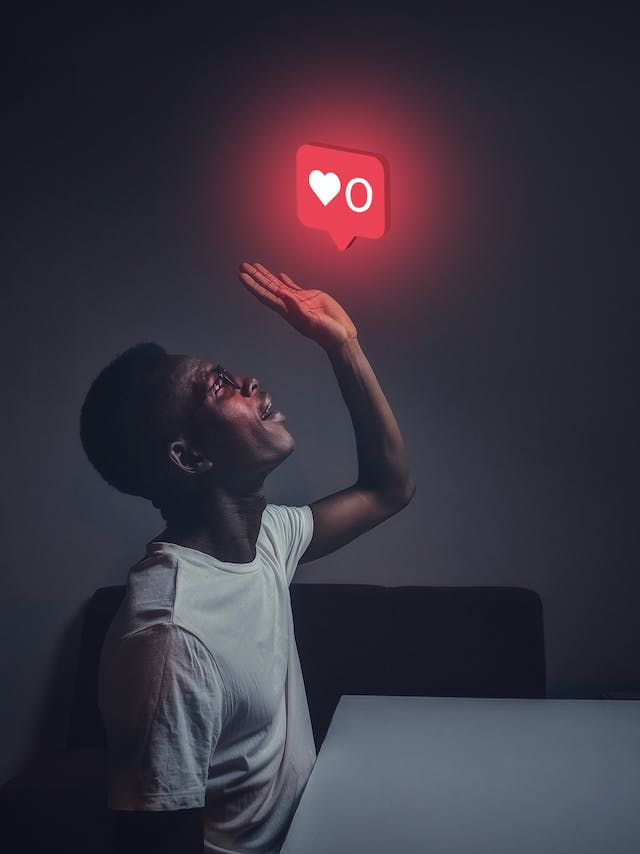
Otro peligro de las redes sociales para el bienestar mental es que pueden llevar a una dependencia de la validación externa. Las personas adictas a las redes sociales pueden encontrarse tambaleándose si no reciben suficientes "me gusta" en sus publicaciones.
Esa necesidad malsana de reconocimiento externo puede provocar altos niveles de estrés y ansiedad, sobre todo entre los usuarios más jóvenes. Un número bajo de «me gusta» no solo supone un golpe para el ego, sino que además les hace sentirse cohibidos por lo que los demás puedan pensar de ellos al tener tan pocos «me gusta». Esto puede hacer que se sientan aburridos, molestos y poco atractivos, lo cual es terrible para la salud mental de una persona joven.
Por suerte, muchas plataformas de redes sociales están intentando acabar con esta mentalidad. Instagram, por ejemplo, ha empezado a ocultar el número total de «me gusta» de las publicaciones de los usuarios. Solo la persona que ha publicado el contenido puede ver cuántas personas le han dado a «me gusta». De esta forma, es menos probable que los usuarios comparen su número de «me gusta» con el de los demás.
Contra: Expone a los jóvenes al ciberacoso
Muchas personas pueden mostrar su verdadera cara en Internet gracias al velo de anonimato de las redes sociales. Es muy fácil crear cuentas falsas en las redes sociales y acosar a otras personas o escribir comentarios hirientes.
Por lo tanto, cualquier persona que tenga una cuenta en las redes sociales se expone al ciberacoso en Internet. La gente puede ser despiadada en Internet, insultando a los demás y mostrando actitudes discriminatorias en la red. Comentarios como estos pueden tener un efecto enorme en la autoestima de los jóvenes. Esto puede provocar síntomas depresivos y ansiedad.
Con: La adicción a las redes sociales puede afectar negativamente a las relaciones en la vida real
Muchos jóvenes no se dan cuenta de que sufren adicción a las redes sociales. Según Jefferson Health, el uso de las redes sociales puede provocar un aumento de la dopamina, también conocida como la «hormona de la felicidad». Esa sensación temporal de felicidad les hace volver una y otra vez. Algunos podrían compararlo con intentar ganar en una máquina tragaperras. Sabes que tus posibilidades de ganar son escasas, pero esa adrenalina te empuja a volver a intentarlo una y otra vez de todos modos.
Sin embargo, una obsesión malsana por las redes sociales es perjudicial para las relaciones sociales en la vida real. En lugar de mantener buenas relaciones con sus amigos del colegio o con su familia, se pasan el día pegados al móvil, consumiendo contenidos.
Esto puede dificultar que los jóvenes mantengan interacciones sociales fuera de Internet, lo que puede afectar negativamente a sus relaciones. A largo plazo, esto puede provocar aislamiento y síntomas depresivos.
¿Cómo afectan las redes sociales a la salud mental a largo plazo?
Hay quien puede pensar que la depresión y la ansiedad provocadas por las redes sociales son solo fases pasajeras. Quizás estos jóvenes superen con la edad esa necesidad de conseguir más «me gusta» en sus publicaciones, ¿no? Bueno, es cierto que los usuarios de las redes sociales pueden madurar en ese sentido. Sin embargo, estos efectos negativos de las redes sociales pueden seguir afectándoles hasta bien entrada la edad adulta. ¿Cómo?, te preguntarás. Estas son solo algunas de las formas en que puede ocurrir.
- Trauma derivado del ciberacoso y el acoso. Recibir comentarios crueles y discriminatorios en las redes sociales desde la juventud puede provocar baja autoestima y síntomas depresivos. Para muchas personas, estos sentimientos de timidez nunca desaparecen. Estas emociones negativas pueden acompañar a las personas hasta bien entrada su vida adulta, afectando a la imagen que tienen de sí mismas.
- Repercusiones negativas en las relaciones fuera de Internet. Cuando un joven se vuelve adicto a las redes sociales, esto perjudica sus relaciones sociales en la vida real. En lugar de forjar una buena relación con su familia, se pasa todo el tiempo pegado al móvil. A veces, esto puede provocar rupturas irreparables en las relaciones.
- La necesidad de reconocimiento externo. La obsesión por el reconocimiento externo de la gente en Internet podría filtrarse en tu vida fuera de la red. Quizás, con el paso de los años, te conviertas en una especie de «persona que siempre quiere complacer a los demás». En lugar de dar prioridad a tus deseos y aspiraciones, te preocuparás más por lo que unos desconocidos quieren ver en ti. Esta forma de pensar puede afectar a decisiones importantes de tu vida más adelante.
¿Debemos fomentar el uso de aplicaciones de redes sociales entre los adolescentes?
Seamos realistas. Aunque las redes sociales puedan tener sus inconvenientes, las aplicaciones populares como Instagram, TikTok y otras han llegado para quedarse. Pero, ¿deberíamos fomentar el uso de estas aplicaciones de redes sociales entre los adolescentes?
No hay una respuesta única para esto. Es posible que los padres quieran proteger a sus hijos adolescentes en la medida de lo posible de los efectos perjudiciales de las redes sociales. Esto es especialmente cierto en el caso de los jóvenes que ya padecen problemas de salud mental. Para algunos adolescentes, las redes sociales podrían ser beneficiosas para su bienestar mental. Para otros, no tanto.
Lo importante es que los padres sepan cómo hacer que la experiencia de sus hijos adolescentes en Internet sea segura y agradable. He aquí algunas formas de conseguirlo.
- Fomenta hábitos saludables en las redes sociales, como limitar el tiempo frente a la pantalla. Esto es algo que los padres pueden hacer utilizando los controles Instagram .
- Establece normas como «nada de móviles en la mesa» para fomentar una vida fuera de línea saludable. De ese modo, podrán disfrutar de lo mejor de ambos mundos: una presencia activa en las redes sociales y buenas relaciones con la familia.
- Aumentar la confianza de los jóvenes y enseñarles pronto que no tienen por qué ajustarse a los cánones de belleza de Internet.
- Enseñe a los jóvenes seguridad en Internet para que no sean víctimas de estafas y depredadores.
En Instagram, céntrate en el crecimiento auténtico en lugar de en los «me gusta» para mejorar tu salud mental
Ser activo en las redes sociales tiene muchas ventajas. Tienes libertad para expresarte de forma creativa y establecer vínculos sociales significativos con otras personas.
Sin embargo, también es importante ser plenamente consciente de sus inconvenientes. Una relación poco saludable y adictiva con Internet puede provocar una ansiedad abrumadora y síntomas depresivos. Es importante fomentar una buena relación con las redes sociales, sobre todo cuando se es joven. De ese modo, podrás disfrutar plenamente de la experiencia en línea sin dejar de gozar de una excelente salud mental.
Como se ha mencionado anteriormente, las redes sociales pueden resultar perjudiciales para el bienestar emocional de una persona al generar un deseo malsano de reconocimiento externo. Son muchos los jóvenes creadores que se centran en Instagram y en la interacción Instagram a la hora de publicar contenido en línea. Es mejor que estos jóvenes usuarios se centren en Instagram de su Instagram en lugar de en ese recuento arbitrario.
Cuantos más seguidores reales y auténticos tengas, más interacción significativa observarás en tus contenidos. Te darás cuenta del verdadero propósito de las redes sociales: crear contenidos entretenidos y valiosos para tu público. A largo plazo, esto puede mejorar tu bienestar emocional y social, en lugar de perjudicarlo.
Ahora que conoces la respuesta a "¿Cómo afectan las redes sociales a la salud mental?", es hora de pasar a la acción. Céntrate en tu crecimiento y propósito online en lugar de en la validación externa y en ajustarte a estándares sociales innecesarios. Path Social puede ayudarte con eso.
Nuestro algoritmo de segmentación basado en inteligencia artificial puede ayudarte a identificar a tu público objetivo específico. A continuación, nos encargaremos de que tu contenido aparezca en su feed. De este modo, tendrás la seguridad de que tus publicaciones llegan a las personas con las que más conectarán. Como resultado, verás un crecimiento continuo en tu número de seguidores y, por consiguiente, una interacción auténtica con tu contenido. ¡Haz crecer tu página con nosotros hoy mismo!



¿Quiere conseguir un crecimiento orgánico en las redes sociales?
Nuestra estrategia basada en IA le ayuda a atraer a auténticos fans que realmente se interesan por su contenido.
Impulse ya su crecimiento orgánico en las redes sociales