Comment répondre aux commentaires négatifs et maintenir la paix sur IG

Sur Instagram , les marques et les influenceurs sont souvent submergés de messages et de commentaires de la part d’admirateurs et de fans fidèles. Ils reçoivent des messages de personnes qui adorent leurs produits, leurs selfies, leurs tenues du jour, leurs Reels auxquels on s’identifie facilement et tout autre contenu esthétique qu’ils publient. Mais il arrive aussi que ces personnalités publiques se retrouvent prises dans le tourbillon des commentaires négatifs en ligne. Aujourd’hui, nous allons voir comment répondre aux commentaires négatifs et les surmonter sur Instagram.
Les gens peuvent laisser un commentaire désagréable sur la page d'un média social pour de nombreuses raisons. Un client mécontent peut vouloir se plaindre de la mauvaise qualité du service d'une marque. Peut-être qu'une brute veut être méchante avec quelqu'un qu'elle déteste. Recevoir des commentaires négatifs de la part d'inconnus est un phénomène naturel dans les médias sociaux.
Et bien sûr, ces commentaires font mal — très mal. Mais vous sortirez vainqueur si vous prenez une grande inspiration et rédigez une réponse mûrement réfléchie, éclairée, calme et stratégique. Vous pourrez ainsi préserver votre réputation en ligne, gagner le respect des autres et mettre fin aux commentaires négatifs. Mieux encore, vous pourrez même développer votre page en faisant preuve d’authenticité et en défendant ce qui est juste.
Prêt à apprendre comment répondre à des commentaires désagréables et à transcender la situation ? Poursuivez votre lecture pour découvrir les meilleures façons de le faire.

Pourquoi est-il important de répondre aux commentaires négatifs sur les médias sociaux ?
Répondre aux avis et commentaires positifs qui vous félicitent, vous et votre marque, est à la fois agréable et simple. En revanche, apprendre à réagir face à ces commentaires difficiles à interpréter, méchants et négatifs est un peu plus compliqué.
Une étude d'oculométrie a révélé que les internautes accordent davantage d'attention aux commentaires négatifs en ligne, même lorsqu'il y a également des commentaires positifs. L'impact de ce type de commentaires est considérable, qu'il s'agisse de problèmes de santé mentale ou de la chute d'une marque.
Mais même si ces commentaires sont difficiles à lire, il est essentiel de ne pas se laisser abattre par cette expérience négative. N’oubliez pas : ces commentaires sont publiés sur votre page, où c’est vous qui menez la conversation. Affrontez-les de front et montrez-leur qui est le patron, de manière directe, compréhensive et sereine.
L'une des principales raisons pour lesquelles vous devriez répondre aux commentaires négatifs est que cela contribue à préserver l'image de votre marque. En y répondant, vous montrez à votre public que vous êtes capable de défendre votre marque. Cela montre également que vous savez accepter les critiques constructives tout en conservant une attitude positive en ligne. Cela vous rend plus sympathique, plus authentique et plus positif.
Une autre raison pour laquelle il est préférable de répondre aux commentaires négatifs est d’apaiser la personne qui les a publiés. Cela montre que vous êtes à l’écoute des préoccupations des gens et que vous leur accordez suffisamment d’importance pour y répondre, même si vous n’êtes pas d’accord. Cela permet de désamorcer les situations afin qu’elles ne prennent pas des proportions démesurées et ne se transforment pas en véritable polémique autour de votre marque. Si cela devait arriver, vous risqueriez de perdre des abonnés, ce que vous souhaitez éviter à tout prix.
6 Remarques mal intentionnées : Comment réagissez-vous à ce genre de commentaires négatifs ?
Il existe de nombreux types de commentaires négatifs sur Internet. Certains sont d'ordre personnel, d'autres concernent vos services ou vos produits. La manière dont vous répondez à chaque commentaire négatif dépend de la situation et du contexte.
Alors, comment réagir face aux commentaires négatifs, sachant que chacun d'entre eux est si différent ? Voici six types de commentaires malveillants en ligne et la manière dont vous devriez vous y prendre pour y répondre.
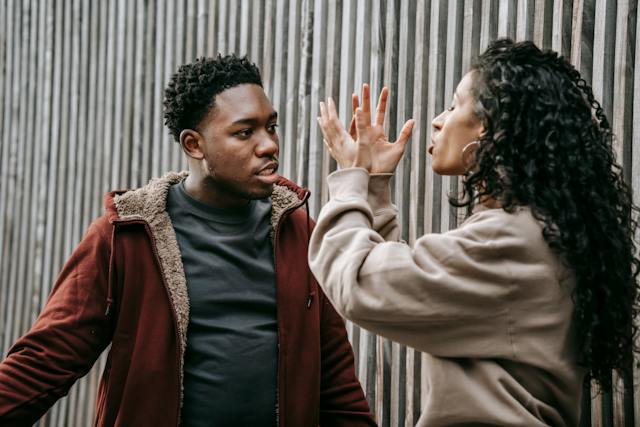
1. Attaques personnelles telles que brimades et injures
Le commentaire négatif le plus courant sur les réseaux sociaux est sans doute une forme ou une autre de harcèlement. Certaines personnes peuvent vous insulter et s’en prendre à votre apparence physique ou à votre personnalité dans le but de vous blesser. Ces commentaires peuvent être source de souffrance émotionnelle, de manque de confiance en soi, voire de dépression et d’anxiété, surtout s’ils ne sont pas traités comme il se doit.
Bien sûr, pour certaines personnes, ignorer ce genre de commentaires fonctionne à merveille. Après tout, l'ignorance est un bonheur. Elles peuvent même aller jusqu'à supprimer ces commentaires pour ne plus les voir. Loin des yeux, loin du cœur, n'est-ce pas ?
Mais certaines personnes ressentiront une forte envie de répondre aux commentaires des harceleurs. C'est une réaction naturelle, surtout quand on a la possibilité de se défendre contre ces méchants. Mais comment répondre avec élégance et assurance à des remarques malveillantes, même quand on se sent blessé ?
Tout d'abord, respirez profondément et méditez pour retrouver votre sérénité et votre calme. Vous ne pouvez pas vous contenter de répondre avec la première chose qui vous passe par la tête, surtout lorsque vos émotions sont à fleur de peau. Vous risqueriez de dire quelque chose que vous regretterez. N'oubliez pas que vos abonnés peuvent voir tout ce que vous allez écrire ensuite.
Au lieu de répondre par la méchanceté, fixez des limites. Dans la section des commentaires, expliquez que vous souhaitez créer un environnement positif et sûr. Cela fera passer deux messages : que vous avez la peau dure et que vous ne tolérez pas les brutes. Voici quelques réponses que vous pourriez envisager de donner à une brute :
- « Bon, ça n’était pas nécessaire. Merci pour ton avis, mais les propos haineux ne sont pas les bienvenus ici. À plus ! »
- « Si tu n’as rien de gentil à dire, mieux vaut te taire. C’est ma page, ce sont mes règles. »
- "Nous ne tolérons pas le manque de respect ici. Je ne pense pas que votre commentaire justifie une défense de ma part."

2. Les gens qui ne sont pas d'accord avec votre position sur quelque chose
Beaucoup de gens se rendent sur Instagram pour publier leurs opinions sur des sujets controversés. Ils peuvent par exemple publier du contenu en soutien à un mouvement social ou partager leurs réflexions sur le climat politique. Cela est tout à fait bienvenu sur la plateforme. Après tout, Instagram est un espace où l’on peut s’exprimer librement, à condition de rester respectueux.
Mais certaines personnes peuvent vous critiquer violemment dans la section des commentaires simplement parce que vous avez donné votre avis. Certaines exprimeront calmement leur point de vue, tandis que d'autres se montreront grossières lorsqu'elles ne seront pas d'accord avec vous.
L'important est de ne pas perdre son sang-froid lorsqu'on répond à ce genre de commentaires. Il faut rester calme et serein. Reconnaissez que leur opinion est valable, mais défendez la vôtre si nécessaire. En même temps, engagez une discussion mature, productive et constructive sur les points de désaccord. Cela peut être enrichissant d'apprendre de nouvelles choses auprès de personnes qui ont des points de vue différents des vôtres.
Bien sûr, vous devez toujours savoir quand prendre vos distances avec ces personnes. Si elles ne sont pas disposées à discuter de manière respectueuse, il est temps de mettre fin à la conversation avant qu’elle ne dégénère. Si vous avez l’impression que la discussion ne mène nulle part, voici quelques phrases que vous pouvez utiliser :
- "Je comprends que vous croyiez en quelque chose de différent. Je pense que nous pouvons accepter d'être en désaccord".
- « Merci de t'investir autant dans ce sujet. Mais je pense qu'il existe une manière plus appropriée et plus posée d'aborder cette question. N'hésite pas à m'envoyer un message privé à ce sujet quand tu auras repris tes esprits ! »
- « Je respecte ton avis là-dessus. Chacun ses goûts ! On en reste là, d’accord ? »
3. Plaintes concernant votre produit ou service
Les comptes personnels et les influenceurs ne sont pas les seuls utilisateurs de Instagram à être confrontés aux commentaires négatifs des autres. Les marques reçoivent tous les jours des commentaires négatifs sur leurs produits et services.
Le marketing des médias sociaux est extrêmement important pour les marques aujourd'hui. C'est un excellent moyen d'atteindre un large public en ligne. Mais il ne faut pas oublier que les commentaires désobligeants sur votre entreprise font partie du paysage. Le mieux que vous puissiez faire est de maîtriser l'art de répondre aux plaintes des clients dans les commentaires.
Répondre aux réclamations des clients aussi rapidement et intelligemment que possible peut contribuer à maintenir votre bonne réputation en ligne. Répondez aux commentaires rapidement et avec beaucoup d'empathie. N'oubliez pas que votre client est frustré par son expérience négative avec votre marque. Il n'est pas en train de taper sa colère sans raison. Votre travail consiste à l'aider à résoudre son problème.
Dites quelque chose de ce genre lorsque vous répondez à des commentaires de clients en colère :
- "Nous sommes désolés d'apprendre cette expérience ! Pourriez-vous nous envoyer un message direct afin que nous puissions trouver une solution ?"
- "Merci d'avoir attiré notre attention sur ce problème ! Nous prenons vos commentaires au sérieux. Nous allons voir comment nous pouvons améliorer nos produits à l'avenir."
En reconnaissant leurs problèmes, vous pouvez donner à vos clients le sentiment d'être pris en considération. Cela contribue à instaurer un climat de confiance et une bonne relation avec eux, ce qui leur permet de se radoucir même après une expérience négative. N'oubliez pas de trouver le juste équilibre entre professionnalisme et empathie, et tout ira pour le mieux.
4. Propos discriminatoires fondés sur l'origine ethnique, le genre, etc.
Instagram ne tolère ni les discours haineux ni la discrimination sur sa plateforme. Ses règles communautaires stipulent clairement qu’il est interdit d’attaquer une personne en raison de son origine ethnique, de son genre, de son orientation sexuelle, de son handicap ou de sa maladie.
Ne soyez pas spectateur si vous voyez des commentaires négatifs dans lesquels quelqu'un attaque une autre personne sur la base de ces éléments. Dites-leur que Instagram ne tolère pas ce genre de commentaires violents. Soyez direct et adressez-vous fermement à la discrimination. Voici quelques exemples de ce que vous pouvez dire pour attirer leur attention :
- « Nous ne tolérons aucune forme de discrimination sur cette plateforme. Si vous souhaitez partager votre point de vue sur un sujet, vous pouvez le faire sans tenir de propos racistes, sexistes ou discriminatoires envers les personnes en situation de handicap. »
- "Instagram est une plateforme qui embrasse la diversité et l'inclusion. Nous n'avons pas besoin de votre négativité ici".
- "Je pourrais facilement vous signaler à Instagram pour avoir violé les règles de la communauté si vous ne vous excusez pas auprès d'elle."
- "La misogynie n'a pas sa place dans cette discussion. Revenez quand vous pourrez tenir une conversation sans discours de haine".
En dénonçant ce genre de commentaires sur Instagram, vous contribuez à faire en sorte que ce site reste un espace sûr pour la communauté.

5. Les clients comparent votre produit à celui d'une marque concurrente
Les retours négatifs concernant les marques ne prennent pas toujours la forme de réclamations virulentes. Il s'agit parfois de commentaires impertinents comparant votre produit à celui d'une autre marque. Les internautes peuvent par exemple laisser un commentaire du type : « Ce produit est correct, mais celui de [marque concurrente] est dix fois mieux. »
Bien que cette situation ne soit pas intrinsèquement "négative", elle place votre marque dans une situation délicate et sous un mauvais jour. Votre tâche consiste maintenant à détourner l'attention du concurrent et à la ramener sur votre marque. Considérez cela comme une occasion de rappeler à vos clients tous les aspects positifs de votre marque. Il est temps de sauver votre réputation en ligne.
Lorsque vous répondez à ce genre de commentaires, mettez en avant les caractéristiques de vos produits ou services. Mettez l'accent sur leurs particularités et les avantages qu'ils peuvent apporter. Si possible, renvoyez l'auteur du commentaire vers des avis positifs laissés par d'autres clients satisfaits. Voici quelques exemples de réponses professionnelles et positives qui peuvent vous aider à y parvenir :
- « Merci pour votre avis, mais nous trouvons nous aussi que notre produit est plutôt génial ! Contrairement à d'autres marques, il présente [des caractéristiques uniques que le produit concurrent ne possède pas]. »
- "Nous sommes désolés d'apprendre cela. Nous espérons que vous aurez une meilleure expérience avec [votre nom de marque] la prochaine fois. Vous pouvez consulter les avis positifs de nos clients satisfaits sur notre site Instagram Story Highlights !"
6. Menaces dangereuses des harceleurs en ligne
Faire face à des intimidateurs méchants et à des clients mécontents est une chose. Mais c'est une toute autre affaire si vous voyez des commentaires qui vous font vous sentir physiquement en danger.
Tout au long de ce guide, nous vous avons expliqué comment répondre aux commentaires négatifs et rester sur vos positions. Mais si vous recevez des commentaires menaçants de la part de harceleurs ou de persécuteurs sur les réseaux sociaux, vous n’êtes pas obligé(e) d’y répondre. Le mieux est de privilégier votre sécurité et de ne pas interagir directement avec ces personnes.
Voici plutôt ce que vous pouvez faire si vous recevez des commentaires dangereux et négatifs de la part d'un harceleur :
- Faites des captures d'écran de leurs commentaires. Conservez ces preuves au cas où vous devriez porter plainte auprès de la police, surtout si le harcèlement s'aggrave.
- Signalez leur comportement à l'adresse Instagram afin que la plateforme puisse prendre des mesures à leur encontre. Si possible, demandez à vos amis et à votre famille de signaler ce compte.
- Allez dans vos paramètres de confidentialité et gardez votre profil Instagram privé.
- Bloquez-les immédiatement afin qu'ils n'aient aucun moyen de vous joindre sur Instagram.
- S'il tente de vous contacter par le biais d'une autre plateforme, en ligne ou non, appelez les autorités et demandez de l'aide.
Comment bloquer les commentaires négatifs sur Instagram pour maintenir la positivité sur votre page
Recevez-vous régulièrement des commentaires négatifs de la part de la même personne ? Ces personnes perturbent-elles votre page et font-elles sentir à vos autres abonnés qu'ils ne sont pas en sécurité ou qu'ils se sentent mal à l'aise ? Il est peut-être temps de prendre des mesures extrêmes et de les bloquer.
Lorsque vous bloquez quelqu’un sur Instagram, cette personne perd tout accès à votre profil. Si elle vous recherche via la fonction de recherche de l’application, votre nom d’utilisateur n’apparaîtra pas. Cela signifie qu’elle ne pourra plus laisser de commentaires désagréables sur vos publications ni même vous envoyer de messages privés. C’est un excellent moyen de reprendre le contrôle de votre page et d’éliminer une fois pour toutes la négativité de cet utilisateur.
Voici comment bloquer les commentaires négatifs sur Instagram en empêchant définitivement quelqu'un d'accéder à votre page :
1. Accédez au profil de la personne que vous souhaitez bloquer.
2. Cliquez sur les trois points dans le coin supérieur droit de leur page.
3. Cliquez sur l'option "Bloquer".
4. Confirmez votre décision de les bloquer en cliquant à nouveau sur le bouton bleu "Bloquer" dans le message qui s'affiche.
Si le blocage vous semble trop sévère, envisagez plutôt de limiter l'accès de cette personne
Si vous estimez que le blocage est une mesure trop radicale et que vous souhaitez éviter les conflits qui pourraient en découler, envisagez plutôt de restreindre l'accès à cette personne. Restreindre l'accès à quelqu'un est une mesure moins stricte que le blocage, mais cela permet également de protéger votre page contre les commentaires négatifs.
Lorsque vous limitez l'accès d'une personne sur Instagram, celle-ci peut toujours accéder à votre page. Elle peut consulter vos publications, « aimer » votre contenu et même laisser des commentaires. Le hic, c'est qu'elle sera la seule à pouvoir voir ses propres commentaires sur vos publications.
Vous pouvez consulter les commentaires laissés sur votre contenu, mais le système les masque automatiquement. Pour voir ce qu’ils ont écrit dans leur commentaire, cliquez sur le bouton « Voir le commentaire ». Sinon, personne ne verra ce qu’ils ont écrit sous votre publication. Cela permet de préserver une ambiance sereine dans votre section de commentaires sans avoir à se montrer agressif ni à bloquer quelqu’un purement et simplement.
Les personnes que vous bloquez ne pourront pas non plus voir si vous êtes en ligne. Si elles vous envoient un message privé, celui-ci n'apparaîtra pas dans votre boîte de réception, mais sera redirigé vers votre dossier « Demandes de messages ». Vous réduisez ainsi au minimum les perturbations et les influences négatives dans votre espace personnel sur les réseaux sociaux, sans pour autant créer de drame.
Voici comment restreindre l'accès à une personne sur Instagram qui encourage la négativité et la mauvaise énergie dans votre section de commentaires :
1. Accédez au profil de l'utilisateur que vous souhaitez restreindre.
2. Cliquez sur les trois points en haut de leur profil.
3. Sélectionnez "Restreindre". Un message de confirmation vous indique que vous avez réussi à restreindre la personne. Vous verrez également un rappel des implications de la restriction d'une personne sur l'application.
Savoir répondre aux commentaires négatifs peut indirectement faire croître votre base de fans
Savoir répondre avec élégance aux commentaires négatifs ne se limite pas à donner à votre marque une image cool, sereine et posée. C'est aussi une stratégie marketing qui peut contribuer à créer une image de marque positive et à susciter un sentiment favorable auprès du public. En tenant tête aux harceleurs et en gérant les plaintes avec maturité et pertinence, vous pouvez prendre le dessus sur la négativité en ligne.
Et que se passe-t-il lorsque les gens ont une perception positive de votre marque et approuvent la manière dont vous gérez les situations difficiles ? Exactement : vous gagnez davantage d'abonnés. Bien gérer les commentaires négatifs peut vous rendre plus attractif aux yeux des clients et des fans potentiels. Vous pourriez constater une augmentation du nombre de vos abonnés si vous répondez aux commentaires désagréables de manière brillante et réfléchie.
Mais savoir répondre aux commentaires négatifs n'est pas le seul moyen de se développer sur Instagram. Votre stratégie de croissance doit être complète et axée sur le contenu. C'est là que Path Social peut vous aider.
Grâce à l’algorithme de ciblage basé sur l’IA d’ Path Social, vous pouvez diffuser votre contenu auprès d’un public de niche. Cela signifie davantage de vues sur vos publications et, par conséquent, plus de « j’aime », de commentaires et de partages. Gagner davantage d’abonnés réels et authentiques n’est que la cerise sur le gâteau ! Alors, qu’attendez-vous ? Faites appel à Path Social et commencez dès aujourd’hui à développer votre communauté en ligne.



Vous voulez suivre la croissance de votre compte Instagram ?
Analysez vos progrès et obtenez des informations précieuses grâce à notre outil de suivi gratuit !
Vérifiez la croissance de votre compte Instagram dès maintenant