Comment les médias sociaux affectent-ils la santé mentale des jeunes utilisateurs ?

Instagram | 22 mai 2024
De nos jours, la plupart des gens s'accordent sans doute à dire que les réseaux sociaux font désormais partie intégrante de notre quotidien. Non seulement ils nous permettent de rester en contact avec nos amis, notre famille et des personnes du monde entier, mais ils sont aussi une source de plaisir immense. Cela dit, être actif sur les réseaux sociaux n'est pas toujours rose. Si vous passez un temps excessif devant votre écran, cela peut avoir des effets négatifs sur votre santé mentale. Mais comment les réseaux sociaux affectent-ils la santé mentale, au juste ?
Si les réseaux sociaux présentent des avantages et des bienfaits, ils ont aussi un côté sombre. Certaines personnes — en particulier les jeunes utilisateurs — peuvent entretenir une relation dangereuse avec les réseaux sociaux. Au lieu de les utiliser pour créer des liens avec les autres et se divertir, Internet peut se retourner contre eux et leur causer de l’anxiété. La situation peut dégénérer et, à long terme, nuire à la santé mentale de ces jeunes utilisateurs particulièrement sensibles.
Cela dit, la question de savoir si les réseaux sociaux sont une bonne ou une mauvaise chose appelle une réponse assez nuancée. Ils présentent en effet des avantages et des inconvénients. Aujourd’hui, nous allons examiner de plus près l’impact que peuvent avoir les réseaux sociaux sur la santé mentale. Continuez à faire défiler la page pour en savoir plus sur ce sujet d’actualité.
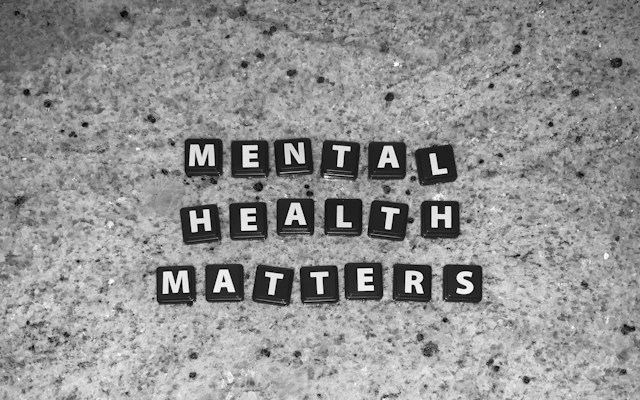
Les médias sociaux et les statistiques sur la santé mentale qui pourraient tirer la sonnette d'alarme
Les réseaux sociaux et le bien-être mental ont toujours été étroitement liés, selon une dynamique complexe et nuancée. Et croyez-nous, nous pourrions parler pendant des heures des effets négatifs potentiels des réseaux sociaux sur le bien-être mental. Mais tout cela resterait arbitraire et carrément inutile sans chiffres à l’appui. Permettez-nous donc de vous éclairer sur le sujet à l’aide de quelques statistiques récentes et surprenantes concernant les réseaux sociaux et la santé mentale.
- Selon l'université du Maine, près de 60 % de la population mondiale est présente sur les réseaux sociaux. Cela représente 4,8 milliards d'internautes. Et comme si cela ne suffisait pas, ce chiffre augmente chaque année. Entre 2022 et 2023, le nombre total d'utilisateurs des réseaux sociaux a progressé de 3,2 % !
- À mesure que le nombre d'utilisateurs des réseaux sociaux augmente, celui des adolescents possédant un smartphone augmente également. Le Child Mind Institute indique qu'environ 92 % des adolescents et des jeunes possèdent un smartphone.
- Il est intéressant de noter que, parallèlement à l'augmentation du nombre de propriétaires de téléphones portables, on observe également une hausse des cas de dépression. Selon l'Association américaine de psychiatrie (APA), les symptômes dépressifs chez les jeunes adultes ont augmenté de 63 % entre 2009 et 2017.
- Selon Statista, 35 % des adultes estiment que les réseaux sociaux sont responsables de la détérioration du bien-être émotionnel des jeunes. En revanche, seuls 2 % pensent qu’ils n’ont aucun rapport avec cette dégradation du bien-être mental.
- Une autre enquête de Statista a demandé à des adolescents et à de jeunes adultes quelles plateformes de réseaux sociaux, selon eux, avaient un impact sur leur santé mentale. YouTube est apparu comme la plateforme ayant l'effet le plus positif sur eux. Malheureusement, c'est Instagram , selon eux, avait l'impact le plus négatif sur leur bien-être mental.

Comment les médias sociaux affectent-ils la santé mentale des adolescents ?
Les médias sociaux peuvent avoir un impact sur la vie et le bien-être émotionnel de chacun. Mais ce sont les jeunes qui sont les plus vulnérables aux effets négatifs d'Internet. Pourquoi et comment les médias sociaux affectent-ils la santé mentale des adolescents ?
Même si les adolescents ne sont plus des enfants, leur cerveau et leur corps sont encore en pleine croissance. Ils sont en train de se découvrir et d’en apprendre davantage sur leur identité et leurs besoins émotionnels. Cela signifie qu’ils sont extrêmement sensibles et qu’ils doivent veiller en permanence à leur bien-être psychologique.
À cette période de leur vie, les réseaux sociaux ont une influence considérable sur eux. Voir comment les autres se présentent en ligne peut les amener à se sentir plus gênés. Ils peuvent être confrontés à des vies inaccessibles, celles de leurs pairs ou d’influenceurs, et ressentir la pression de se conformer à ce qui est « à la mode ». Se présentent-ils de la « bonne » manière ? De la manière « cool » ? De la manière dont le monde attend d’eux qu’ils soient ?
Toutes ces réflexions — alimentées par les réseaux sociaux — peuvent entraîner un sentiment d’anxiété, d’isolement et de dépression. Les adolescents et les jeunes adultes sont encore naïfs et très influençables. Ils risquent de prendre très à cœur tout ce qu’ils voient sur Internet. Et même si cela peut souvent être positif, cela peut aussi avoir des effets négatifs.

Avantages et inconvénients des médias sociaux sur la santé mentale
Ne vous méprenez pas : les réseaux sociaux ont beaucoup à offrir. Mais si être actif en ligne présente de nombreux avantages, cela comporte également des inconvénients. L’important est que les jeunes sachent évaluer les risques et adopter des habitudes saines sur les réseaux sociaux. Ainsi, ils pourront profiter pleinement de tous les avantages qu’offrent les réseaux sociaux tout en se protégeant des dangers.
Mais quels sont les bons et les mauvais côtés du monde numérique auxquels les jeunes utilisateurs doivent faire attention ? Voici quelques-uns des avantages et des inconvénients des médias sociaux pour la santé mentale.
Pro : il permet de s'exprimer de manière créative
Des applications telles que Instagram et YouTube sont des plateformes formidables pour vous exprimer de manière créative. Considérez-les comme des exutoires pour laisser libre cours à votre créativité et à vos pensées.
Grâce à la photo et à la vidéo, les jeunes peuvent mettre en valeur et développer leurs talents tout en les partageant avec le monde entier. Cela leur permet d’en apprendre davantage sur eux-mêmes et sur leurs centres d’intérêt, notamment la photographie, l’art, la mode, la cuisine et bien d’autres domaines encore. Et c’est extrêmement important lorsqu’on est adolescent et qu’on cherche à se forger une identité !
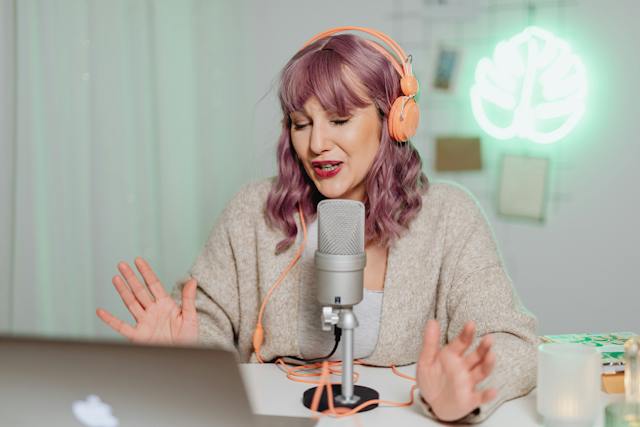
Pro : Cela les aide à se rapprocher de leurs pairs
Les réseaux sociaux ont pour but de créer des liens sociaux enrichissants. Sur ces plateformes, les jeunes peuvent rester en contact avec leurs amis et leur famille. Vous pouvez envoyer des messages à vos amis, prendre des nouvelles de vos camarades et même découvrir des comptes que vous souhaitez suivre. Cela permet également d’atténuer le sentiment de FOMO (ou la peur de passer à côté de quelque chose), ce qui peut être bénéfique pour votre bien-être mental.
Ce qui est génial avec les réseaux sociaux, en tant que moyen de communiquer avec les autres, c’est qu’ils permettent de dépasser les barrières géographiques. Vous pouvez discuter avec des amis qui vivent peut-être dans d’autres villes, voire dans d’autres pays. Ainsi, vous pouvez nouer et entretenir des liens d’amitié même avec des personnes qui se trouvent loin de vous. En prime, cela vous permet d’élargir votre vision du monde et de découvrir différentes cultures !
En somme, les réseaux sociaux contribuent à renforcer les liens. C'est un moyen formidable de soutenir les autres membres de votre communauté et d'en retirer en retour ce sentiment d'appartenance et de soutien.
Pro : vous avez accès à des informations et à des nouvelles à caractère éducatif
Les réseaux sociaux peuvent également constituer une excellente source d'actualités et d'informations éducatives pour les jeunes. L'époque où l'on lisait le journal ou où l'on attendait le journal télévisé de 18 h est révolue. Aujourd'hui, les jeunes peuvent se tenir informés de l'actualité et recueillir des informations sur des réseaux sociaux fiables.
Le fait d'être au courant de ces questions peut améliorer non seulement leur bien-être émotionnel, mais aussi leur ouverture sur le monde. En se tenant informés, les jeunes peuvent se sentir liés à différentes communautés et découvrir diverses perspectives sur le monde.
Inconvénient : il peut vous amener à vous comparer aux autres
Instagram de nombreuses autres plateformes de réseaux sociaux regorgent d’identités soigneusement mises en scène. Les utilisateurs publient des photos d’eux-mêmes sous leur meilleur profil, lors de leurs voyages les plus luxueux ou de leurs sorties au restaurant les plus raffinées. Les influenceurs spécialisés dans les voyages peuvent ainsi mettre en avant leurs séjours dans des hôtels haut de gamme en Europe. Instagram et les influenceurs de mode peuvent quant à eux publier des contenus sensuels, stylés et chics.
Ainsi, lorsque les jeunes voient ces photos, ils peuvent être amenés à comparer leur vie à celle des autres. Ils peuvent alors commencer à se considérer comme moins attirants ou moins accomplis s’ils ne vivent pas des expériences similaires à celles qu’ils voient en ligne. Cela peut avoir des conséquences négatives considérables sur leur bien-être émotionnel et leur estime de soi.
Mais il est important de garder à l'esprit que ce sont les meilleurs moments des gens qui sont publiés sur les réseaux sociaux, et non leur vie réelle au quotidien. Personne n'a une vie parfaite, même si c'est l'impression que donnent les réseaux sociaux. Les jeunes générations devraient savoir qu'il ne faut jamais se comparer à ces personnes « parfaites » qu'on voit en ligne. Les réseaux sociaux ne sont qu'une façade, une illusion qui ne reflète presque jamais la réalité.
Inconvénient : vous risquez d'avoir besoin d'une validation malsaine de la part des personnes que vous aimez.
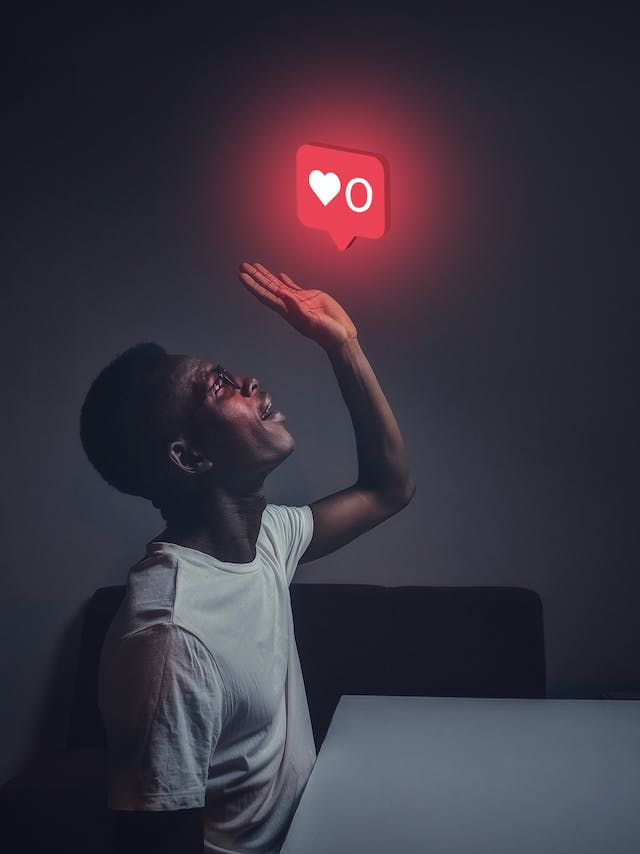
Un autre danger des médias sociaux pour le bien-être mental est qu'ils peuvent conduire à une dépendance à la validation externe. Les personnes dépendantes des médias sociaux peuvent se retrouver déstabilisées si elles n'obtiennent pas suffisamment de "likes" sur leurs posts.
Cette soif malsaine de reconnaissance extérieure peut entraîner un niveau élevé de stress et d’anxiété, en particulier chez les jeunes utilisateurs. Non seulement un faible nombre de « j’aime » porte un coup à leur ego, mais ils se sentent également gênés par ce que les autres peuvent penser d’eux en voyant si peu de « j’aime ». Cela peut leur donner l’impression d’être ennuyeux, agaçants et peu attirants, ce qui est néfaste pour la santé mentale d’un jeune.
Heureusement, de nombreuses plateformes de réseaux sociaux s'efforcent de lutter contre cette mentalité. Instagram, par exemple, a commencé à masquer le nombre total de « j'aime » sur les publications. Seul l'auteur de la publication peut voir combien de personnes ont aimé son contenu. Ainsi, les utilisateurs sont moins enclins à comparer leur nombre de « j'aime » à celui des autres.
Contre : il expose les jeunes à la cyberintimidation
De nombreuses personnes peuvent montrer leur vrai visage sur l'internet grâce au voile d'anonymat des médias sociaux. Il est très facile de créer des comptes d'informateurs sur les médias sociaux et de harceler d'autres personnes ou d'écrire des commentaires blessants.
Toute personne disposant d'un compte sur les réseaux sociaux s'expose donc au cyberharcèlement en ligne. Les internautes peuvent se montrer impitoyables, en proférant des insultes et en tenant des propos discriminatoires. De tels commentaires peuvent avoir un impact considérable sur l'estime de soi des jeunes. Cela peut entraîner l'apparition de symptômes dépressifs et d'anxiété.
Con : L'addiction aux médias sociaux peut avoir un impact négatif sur les relations dans la vie réelle
Beaucoup de jeunes ne se rendent pas compte qu’ils souffrent d’une dépendance aux réseaux sociaux. Selon Jefferson Health, l’utilisation des réseaux sociaux peut provoquer une poussée de dopamine, également appelée « l’hormone du bien-être ». Ce pic temporaire de bonheur les pousse à y revenir sans cesse. Certains pourraient comparer cela à la tentation de gagner à une machine à sous. On sait que les chances de gagner sont faibles, mais l’adrénaline nous pousse quand même à recommencer encore et encore.
Mais une obsession malsaine pour les réseaux sociaux nuit à vos relations sociales dans la vie réelle. Au lieu d'entretenir de bonnes relations avec leurs amis à l'école ou leur famille, ils sont rivés à leur téléphone, à consommer du contenu.
Cela peut compliquer les interactions sociales hors ligne des jeunes, ce qui peut nuire à leurs relations. À long terme, cela peut entraîner un isolement et l'apparition de symptômes dépressifs.
Comment les médias sociaux affectent-ils la santé mentale à long terme ?
Certaines personnes pourraient penser que la dépression et l'anxiété liées aux réseaux sociaux ne sont que des phases passagères. Peut-être que ces jeunes finiront par dépasser ce besoin d'obtenir davantage de « j'aime » sur leurs publications, n'est-ce pas ? Certes, les utilisateurs des réseaux sociaux peuvent effectivement mûrir à cet égard. Cependant, ces effets négatifs des réseaux sociaux peuvent continuer à les affecter longtemps après leur entrée dans l'âge adulte. Comment, me direz-vous ? En voici quelques exemples.
- Traumatismes liés au cyberharcèlement et au harcèlement. Recevoir, dès son plus jeune âge, des commentaires méchants et discriminatoires sur les réseaux sociaux peut entraîner une faible estime de soi et des symptômes dépressifs. Pour beaucoup, ce sentiment de gêne ne disparaît jamais. Ces émotions négatives peuvent perdurer longtemps à l'âge adulte et avoir un impact sur la perception que l'on a de soi-même.
- Impact négatif sur les relations dans la vie réelle. Lorsqu’un jeune développe une dépendance aux réseaux sociaux, cela nuit à ses relations sociales dans la vie réelle. Au lieu de tisser des liens solides avec sa famille, il reste scotché à son téléphone 24 heures sur 24, 7 jours sur 7. Cela peut parfois entraîner des ruptures irrémédiables.
- Le besoin de reconnaissance extérieure. L'obsession de la reconnaissance extérieure de la part des internautes pourrait déteindre sur votre vie hors ligne. Peut-être qu'au fil des années, vous deviendrez une sorte de « personne qui cherche à plaire à tout le monde ». Au lieu de donner la priorité à vos envies et à vos désirs, vous vous soucierez davantage de ce que des inconnus attendent de vous. Cette façon de penser peut avoir une incidence sur les décisions importantes que vous prendrez plus tard dans votre vie.
Faut-il encourager l'utilisation d'applications de médias sociaux par les adolescents ?
Regardons les choses en face. Même si les réseaux sociaux ont peut-être leurs inconvénients, les applications populaires comme Instagram, TikTok et bien d’autres sont là pour rester. Mais devrions-nous encourager les adolescents à utiliser ces applications?
Il n'y a pas de réponse universelle à cette question. Certains parents peuvent souhaiter protéger autant que possible leurs adolescents des effets néfastes des réseaux sociaux. C'est particulièrement vrai pour les jeunes qui sont déjà confrontés à des problèmes de santé mentale. Pour certains adolescents, les réseaux sociaux peuvent être bénéfiques pour leur bien-être mental. Pour d'autres, ce n'est pas vraiment le cas.
Ce qui importe, c'est que les parents sachent comment rendre l'expérience en ligne de leurs adolescents sûre et agréable. Voici quelques moyens d'y parvenir.
- Encouragez des habitudes saines sur les réseaux sociaux, comme la limitation du temps passé devant les écrans. Les parents peuvent y parvenir grâce aux contrôles Instagram .
- Fixez des règles telles que « pas de téléphone à table » pour favoriser une vie hors ligne équilibrée. Ainsi, ils pourront profiter du meilleur des deux mondes : une présence active sur les réseaux sociaux et de bonnes relations avec leur famille.
- Renforcer la confiance des jeunes et leur apprendre très tôt qu'ils n'ont pas besoin de se conformer aux normes de beauté d'Internet.
- Enseignez aux jeunes la sécurité en ligne afin qu'ils ne soient pas victimes d'escroqueries et de prédateurs.
Sur Instagram, privilégiez une croissance authentique plutôt que les « likes » pour améliorer votre santé mentale
Être actif sur les plateformes de médias sociaux présente de nombreux avantages. Vous avez la liberté de vous exprimer de manière créative et d'établir des liens sociaux significatifs avec d'autres personnes.
Cependant, il est également important d’être pleinement conscient de ses inconvénients. Une relation malsaine et addictive avec Internet peut entraîner une anxiété écrasante et des symptômes dépressifs. Il est important d’entretenir une bonne relation avec les réseaux sociaux, surtout quand on est jeune. Ainsi, on peut profiter pleinement de l’expérience en ligne tout en préservant une excellente santé mentale.
Comme mentionné précédemment, les réseaux sociaux peuvent nuire au bien-être émotionnel en suscitant un besoin malsain de reconnaissance extérieure. De nombreux jeunes créateurs se concentrent sur Instagram et l'engagement Instagram lorsqu'ils publient du contenu en ligne. Il serait préférable que ces jeunes utilisateurs se concentrent sur Instagram de leur Instagram plutôt que sur ce chiffre arbitraire.
Plus vous aurez d'abonnés authentiques et sincères, plus l'engagement suscité par votre contenu sera significatif. Vous prendrez alors conscience de la véritable raison d'être des réseaux sociaux : créer du contenu divertissant et utile pour votre public. À long terme, cela peut améliorer votre bien-être émotionnel et social, au lieu de le nuire.
Maintenant que vous connaissez la réponse à la question "Comment les médias sociaux affectent-ils la santé mentale ?", il est temps de passer à l'action. Concentrez-vous sur votre croissance et votre objectif en ligne plutôt que sur la validation externe et la conformité à des normes sociales inutiles. Path Social peut vous y aider.
Notre algorithme de ciblage basé sur l'IA peut vous aider à identifier précisément votre public de niche. Nous veillerons ensuite à ce que votre contenu apparaisse dans leur fil d'actualité. Vous aurez ainsi la certitude que vos publications touchent les personnes les plus susceptibles de s'y identifier. Vous constaterez ainsi une croissance continue du nombre de vos abonnés et, par conséquent, un engagement authentique envers votre contenu. Développez votre page avec nous dès aujourd'hui !



Vous souhaitez obtenir une croissance organique des médias sociaux ?
Notre stratégie alimentée par l'IA vous aide à attirer des fans authentiques qui s'engagent réellement avec votre contenu.
Boostez dès maintenant votre croissance organique sur les médias sociaux